Embroidery Machine vs Sewing Machine: Q&A Guide
Introduction
Both embroidery machines and sewing machines are foundational in textile arts and craft businesses, yet they serve distinct purposes. While sewing machines focus on joining fabric pieces and basic decorative stitching, embroidery machines automate complex designs with precision and speed, transforming blank textiles into works of art. To help users understand which is right for their creative journey, this guide answers the core questions that arise when comparing embroidery and sewing machines.
Key Questions and Expert Answers
What is the Main Difference Between a Sewing Machine and an Embroidery Machine?
Q: How do embroidery machines differ from sewing machines?
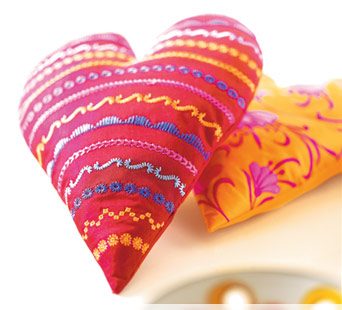
A: A sewing machine is designed primarily for fabric construction—attaching, hemming, and basic decorative stitches. It uses a needle and thread for straight, zigzag, and utility stitches, and is essential for garment-making, alterations, and quilting.
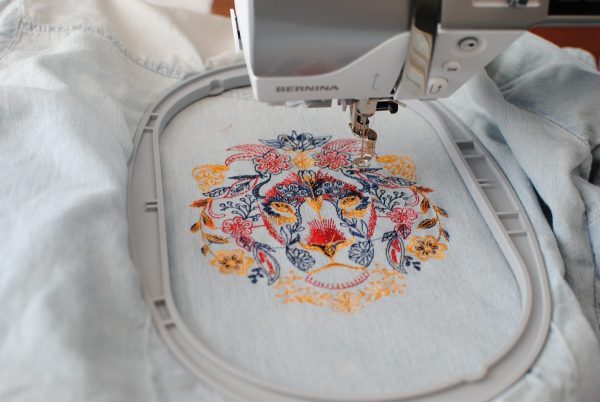
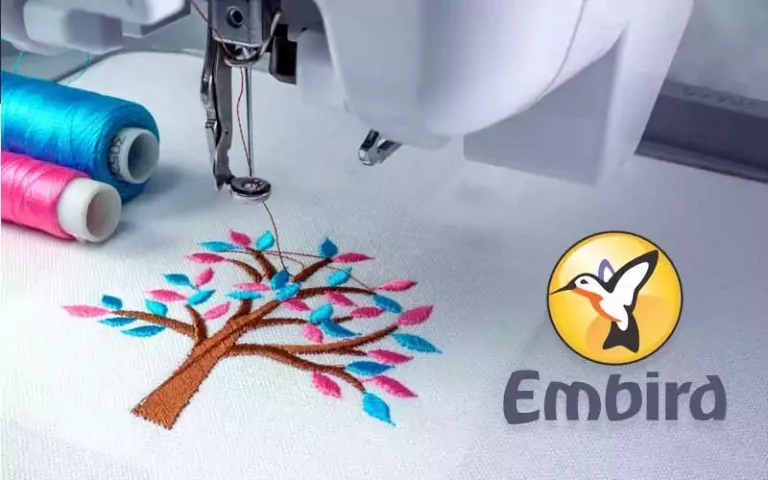
An embroidery machine, in contrast, is specialized for producing intricate patterns and decorative motifs. Modern embroidery machines use digital designs, controlling the fabric movement automatically through a hoop system to create uniform, repeatable embroidery. Some advanced models can handle both sewing and embroidery functions, but embroidery-only machines excel at automating complex graphic patterns.
Can a Sewing Machine Do Embroidery?
Q: Is machine embroidery possible with a standard sewing machine?
A: Yes, most conventional sewing machines can perform embroidery through free-motion techniques. By disengaging the feed dogs and using a darning foot, the user can guide fabric manually, allowing for “drawing” with thread. However, the process is entirely manual, lacking the digitized automation and repeatability of dedicated embroidery machines.
What Projects are Each Machine Suited For?
Q: Which types of projects favor sewing machines or embroidery machines?
A:
-
Sewing machines excel with garment construction (seams, zippers, buttonholes), repairs, quilting, and practical sewing.
-
Embroidery machines are ideal for customizing apparel, monograms, home décor, logos, and complex appliqué – especially in high-volume or commercial operations.
What Features are Unique to Embroidery Machines?
Q: What advantages do embroidery machines offer?
A: Modern embroidery machines offer numerous unique features:
-
Automated design stitching using digital files (DST, PES, JEF, etc.) for extremely detailed graphics.
-
Varied hoop sizes enabling embroidery in small patches up to large back panels or home décor.
-
Built-in motif libraries allowing hundreds of patterns with touchscreen previews and editing.
-
Automatic thread tension, cutting, and multi-needle functions for efficient production and color changes.
-
Wireless design transfer and USB interfaces for instant file uploads.
-
High-speed stitching – up to 1,200 SPM (stitches per minute) for commercial efficiency.
Are There Combination Machines?
Q: Can one machine do both sewing and embroidery?
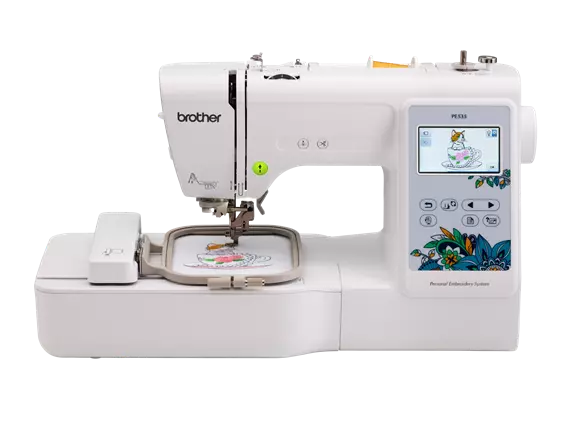
A: Yes, combination machines like the Brother SE400 or Usha MC 15000 offer both sewing and embroidery functionalities. These typically feature a single needle, switching between garment construction and motif embroidery with adjustable hoops, built-in stitches, and digital displays. While highly versatile and space-saving, they may lack the speed or capacity of industrial-grade embroidery-only models for commercial usage.
What are the Limitations of Sewing Machines for Embroidery?
Q: What limitations should users expect?
A: While sewing machines can technically embroider via free-motion, they lack:
-
Automated pattern reproduction
-
Design file compatibility
-
Advanced motif editing
-
Large embroidery fields
-
Multi-needle support
Manual embroidery on a sewing machine is labor-intensive and less consistent. Dedicated embroidery machines automate the entire process, producing flawless, repeatable results in far less time.
What Should Buyers Consider When Choosing a Machine?
Q: What factors matter when choosing between embroidery and sewing machines?
A:
-
Project goals: Consider whether garment creation or decorative embroidery is the primary focus.
-
Budget: Entry-level sewing machines are more affordable; embroidery machines carry a higher price for their automation and features.
-
Space: Combination machines suit small workspaces, while standalone embroidery models can be bulky.
-
Volume: Business users benefit from multi-needle, high-speed embroidery machines for bulk orders.
-
Learning curve: Embroidery machines demand familiarity with design files, tension adjustment, and thread management.
Is Maintenance Different?
Q: How do maintenance needs vary between the two?
A: Both types require routine cleaning, oiling, and needle replacement. Embroidery machines, especially multi-needle types, may demand more frequent bobbin changes and tension tweaks due to increased thread use, while sewing machines focus on presser foot care and feed dog cleaning
Related Posts
Discover relevant articles, tutorials, and tips to improve your skills and explore new techniques.
Stay inspired and connected to our embroidery community.